Manchester United’s early-season struggles continue to dominate headlines, with fans growing increasingly restless over the team’s performances.
The Red Devils have failed to find consistency, suffering defeats in key fixtures while producing few memorable moments in attack.
Injuries and international call-ups have tested the squad, but there is a growing sense that the problems run deeper than fitness or availability.
Supporters have pointed to underwhelming performances from senior stars, while new signings are yet to fully integrate into the system.
Amid the mounting pressure, speculation around the manager’s future has intensified, with the hierarchy under scrutiny over their support for Ruben Amorim.
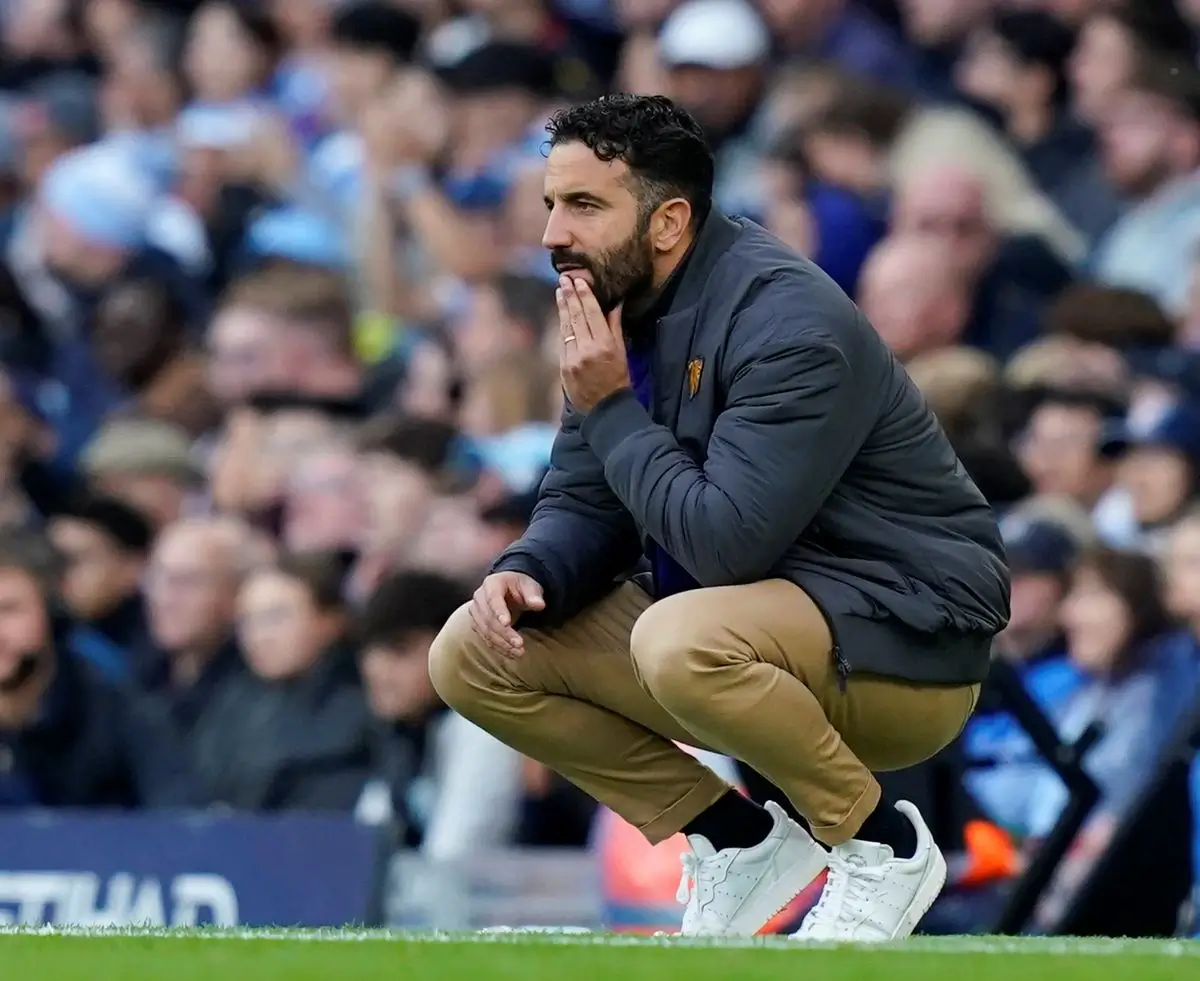
Despite the mounting criticism, Ruben Amorim appears steadfast in his approach, maintaining that the club’s issues are not down to his three-at-the-back system.
According to Fabrizio Romano via YouTube, the Portuguese manager is convinced the primary problem lies in the mentality of his players rather than tactical setup.
CLICK HERE TO JOIN THE CENTREDEVILS WHATSAPP GROUP CHAT NOW!
The manager believes that the team has the quality and personnel to execute his style but that a lack of focus and competitive mindset is holding them back.
This stance follows another frustrating weekend in the Premier League, where United were comfortably beaten at Manchester City, leaving them languishing in the bottom half of the table and further behind their rivals.
Ruben Amorim insists that making wholesale changes to the system would not address the core issue, arguing that the squad must embrace his philosophy and demonstrate the intensity required to compete at the highest level.
After the City game Amorim said, “I’m not going to change.
“When I want to change my philosophy I will change, if not you have to change the man.”
The Portuguese manager has been consistent since taking charge, emphasising discipline, structure, and adherence to his preferred style of play.
He remains under contract at Old Trafford until 2027, and his approach demonstrates a clear commitment to long-term principles rather than reactive adjustments.
While some supporters call for tactical tweaks or even a managerial change, Amorim maintains that improvement must come from the players themselves, with mentality and application being the key to turning results around.