The corridors of power at Manchester United no longer echo with the familiar voices that once controlled every decision at Old Trafford.
A quiet transformation is unfolding behind the scenes, driven by a figure determined to reshape the club in his own image.
The influence of the Glazer family — once unquestioned — has been reduced to a more distant, supervisory role, as The Athletic has reported.
CLICK HERE TO JOIN THE CENTREDEVILS WHATSAPP GROUP CHAT NOW!
Where once Joel Glazer held marathon calls with Ed Woodward from his Washington office, control is now more centralised — and far less sentimental.
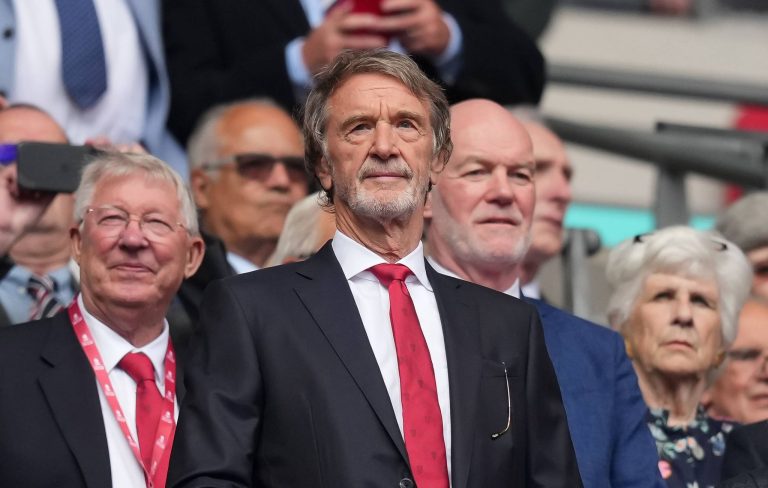
Sir Jim Ratcliffe’s fingerprints are all over the club’s recent operational changes.
From hosting executive meetings in Monaco to instating a chairman’s council, the INEOS chief has claimed a level of authority that stretches well beyond football matters.
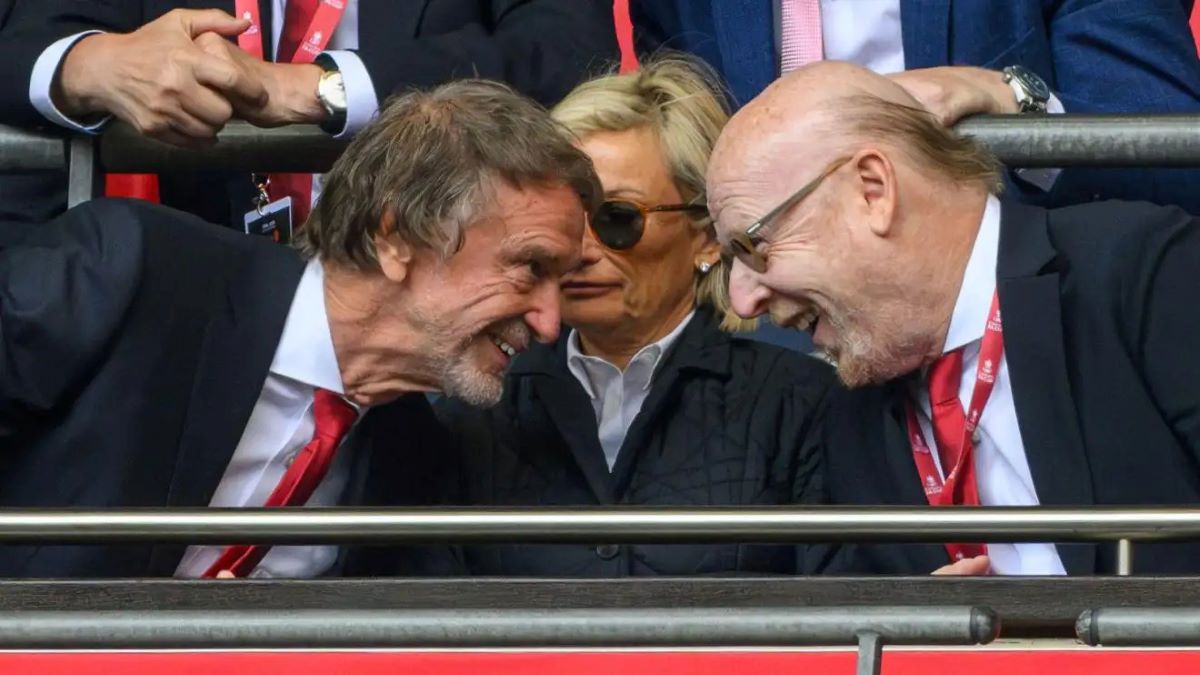
Club insiders say Joel remains obsessed with United, but his role has been recalibrated to observer status as Ratcliffe’s regime tightens its grip.
Formerly critical Glazer allies, like Mitchell Nusbaum, still appear in the boardroom, but they no longer dictate the pace.
Instead, the power axis now includes Dave Brailsford and Rob Nevin — key INEOS operatives whose business-first approach is redefining Manchester United.
With that new approach comes a new financial reality. Cost-cutting has become a central theme under Ratcliffe, marking a sharp departure from the Glazers’ more cautious style.
CLICK HERE TO JOIN THE CENTREDEVILS WHATSAPP GROUP CHAT NOW!
More than 450 jobs could be cut as a second wave of redundancies ripples through Carrington, Old Trafford, and the London office.
No department is off-limits, not even the commercial team that was long seen as the Glazers’ crown jewel.
Executives once used to premium travel are now flying economy, with even the club’s global sponsorship strategies under scrutiny.
The departure of senior commercial figures like Victoria Timpson, Ali Edge, James Holroyd, and Florence Lafaye signals the dismantling of a structure built over years.
Some within the club are worried that Ratcliffe’s no-frills business model could harm United’s long-standing brand power in global markets.
One insider warned that treating billion-pound deals like stationery sales might damage relationships with major partners.
But Ratcliffe appears unfazed, believing the club’s prior approach to spending was bloated and inefficient.
His allies insist this austerity is temporary and designed to stabilise finances before re-investing smartly.
This aggressive efficiency campaign would never have passed through under full Glazer rule.
Their quieter methods of streamlining — using withheld bonuses or delayed promotions — were rooted in optics and long-term control.
Yet in stepping aside, even partially, the Glazers have tacitly accepted a bolder style, likely realising their time as full-time stewards of United has passed.
Some sources suggest the family is already uncomfortable with Ratcliffe’s brash comments, particularly his dramatic claim that the club was “going bust by Christmas.”
Though factually off-base, the statement revealed how differently Ratcliffe views communication and crisis compared to his predecessors.
And while the Glazers still hold board power, they’ve allowed a man with less than 30% ownership to command 100% of the strategy.
For a family that once controlled every inch of Manchester United’s ecosystem, that’s a seismic shift.
The next few seasons will reveal whether this gamble to relinquish control was a masterstroke — or the beginning of the end of the Glazer legacy at Old Trafford.