Manchester United’s summer transfer strategy has often drawn scrutiny, and this year is no different — especially in light of recent financial disclosures.
With Premier League action set to resume soon, Ruben Amorim is orchestrating sweeping changes at Old Trafford, prioritising a potent attack and stronger midfield presence.
Despite uncertainty around Rasmus Hojlund’s long-term role, United backed up their ambition with high-cost signings like Matheus Cunha and Bryan Mbeumo.
Financial Fair Play and Profitability & Sustainability Rules (PSR) are hot topics once again this summer, particularly as fan concern grows over the club’s debts and spending habits.
While many expected a quieter window following warnings of fiscal strain from ownership, the club has continued to tread a bold path — and the numbers speak for themselves.
The arrivals of Bryan Mbeumo and Matheus Cunha has led to total player-related spending reaching an eye-watering £343.5 million in the nine months to March 31, marking the third highest single-season transfer outlay in English football history, as per The Athletic.
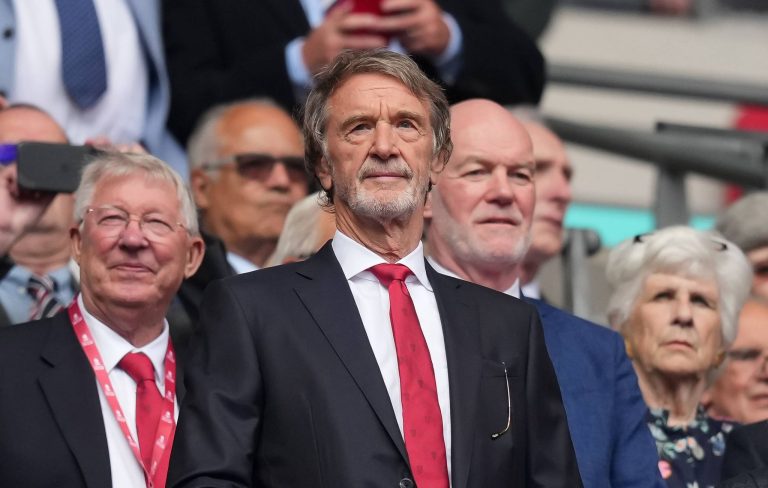
This figure — including £272.1 million of investments before fiscal year-end — shocked many observers, highlighting how deeply the club has waded into the market despite warnings of ongoing costs and redundancies from Sir Jim Ratcliffe earlier this year.
The spend remains controversial given United’s net transfer debt, which surged to £308.9 million by March.
Although the club also repaid £50 million of borrowing last month, much of the liability remains spread over instalments stretching into 2026.
Yet United continue to pursue priority targets — notably RB Leipzig’s Benjamin Sesko — even preparing an improved transfer proposal standing at €80 million plus add-ons.
All told, United’s fiscal picture this summer is a complex puzzle.
On the one hand, they’ve spent heavily to back Amorim; on the other, their high transfer debt and limited incoming sales have left financial questions unresolved.
United’s ability to continue investing may stem from undisclosed borrowing facilities, sell-on fees, and deferred instalments, but the scale of recent activity places added scrutiny on whether they can remain within PSR limits.
Ultimately, while new signings add quality and depth, United’s willingness to spend at seismic levels — even after a season without European football — shows they’re determined not to fade from prominence.
But whether financial realities will soon force a change in approach remains to be seen.