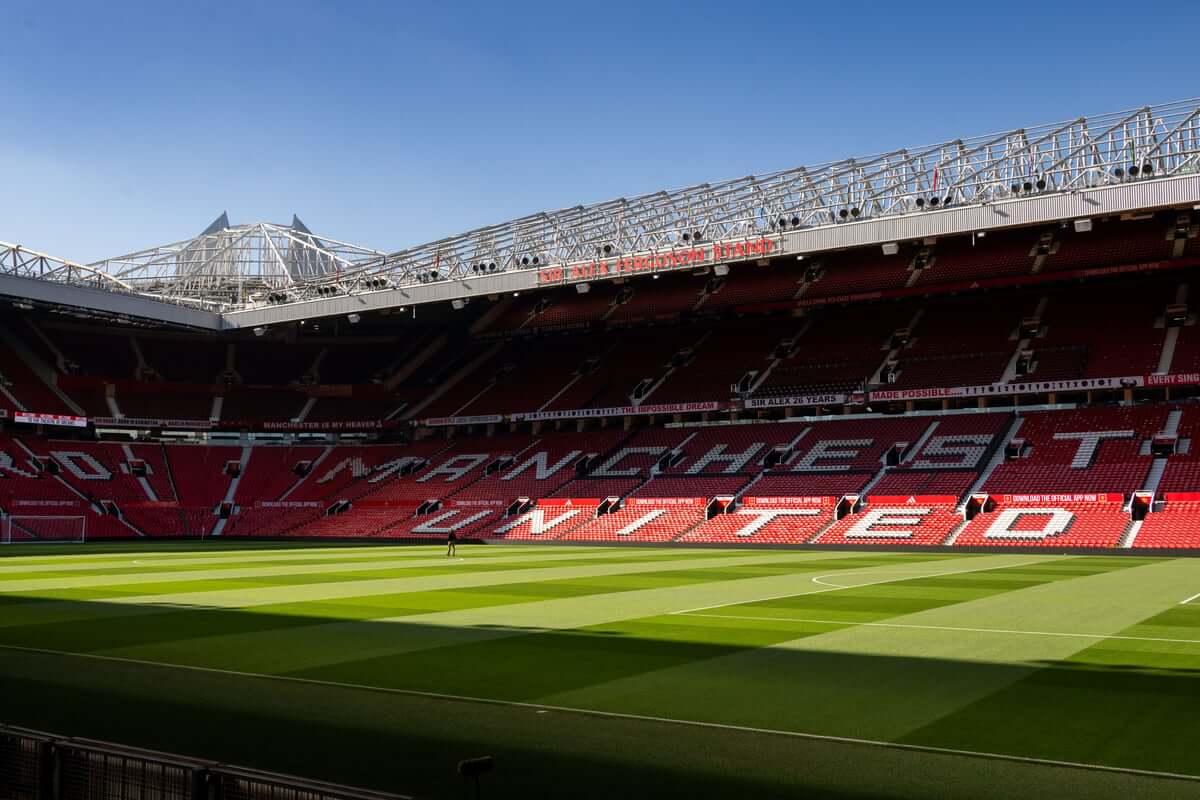
Manchester United wrapped up their pre-season schedule with a 1-1 draw against Fiorentina at Old Trafford, eventually edging the Italians 5-4 in a penalty shootout.
The occasion was notable not just for the football, but for the presentation of all four summer signings, including the most recent arrival, Benjamin Sesko from RB Leipzig.
On the pitch, an early Simon Sohm strike put the visitors ahead before a Robin Gosens own goal brought United level.
It was a performance that left manager Ruben Amorim with plenty to ponder.
The game lacked the sharpness and intensity seen in earlier friendlies, with United looking a touch flat as they prepare for the new season.
With the Premier League opener against Arsenal fast approaching, Amorim will be eager to iron out the flaws and build momentum.
Here are five key takeaways from United’s final pre-season outing.
CLICK HERE TO JOIN THE CENTREDEVILS WHATSAPP GROUP CHAT NOW!
1. Set Pieces
Manchester United again looked weak from set pieces, conceding an early goal from a man seemingly completely unmarked at the back post.
Set pieces had been a constant worry for the majority of last season under Ruben Amorim, and United had hoped to fix this issue going into the new season, but the problem seems to be persisting.
With Arsenal, known for scoring plenty from set pieces as their opening fixture of the season, Amorim will be hoping to solve this issue before the season starts.
However, going forward United looked dangerous from set pieces, creating numerous opportunities and there is hope this continues.
2. Rasmus Hojlund to depart?
With Joshua Zirkzee sidelined by injury and Benjamin Sesko not yet making the match-day squad, many expected Rasmus Hojlund to start in United’s final preseason game.
Surprisingly, however, he didn’t get a single minute on the pitch, remaining on the bench throughout.
Instead, manager Ruben Amorim deployed Mason Mount in a false nine, a position Mount has rarely played before.
Yet, when looking at the bigger picture, the move reveals a clear message: United appear ready to move on from Hojlund, especially after signing Sesko, with AC Milan interested in a move.
This absence of playing time could signal the final chapter in Hojlund’s United career, as the club reshapes its attacking options ahead of the new season.
3. Importance of Sesko
With no traditional striker on the pitch and Mason Mount playing as a false nine, Manchester United struggled to gain any real foothold in the game.
Mount, being a bit lightweight for the role, found it difficult to hold the ball and help United establish territory when United went direct.
This highlights just how important the signing of Benjamin Sesko is for the team.
Standing at six foot five, Sesko has the physicality to hold off defenders and effectively retain possession, allowing United to play more direct when needed.
His presence will also help reduce the risk of intense high pressing from opponents, giving United a much-needed outlet to relieve pressure and control the game better.
4. Amad Diallo and Bryan Mbeumo
After signing Brian Mbeumo, Ruben Amorim faces a tricky puzzle: how to fit both him and Amad Diallo into the same team.
Both players prefer operating on the right side, often drifting inside from wide areas.
Amad is known for his dribbling ability, while Mbeumo tends to be more of a passer who uses clever body shifts to create shooting and crossing chances.
The current plan seems to be Amad slotting in as right wing-back, with Mbeumo taking the right-sided number 10 role.
But questions remain about whether they can both be effective together.
Today’s game showed early signs of this challenge, as they sometimes overlapped and got in each other’s way.
Yet, in tight spaces, they also combined well to open up chances.
For United to succeed this season, this partnership will be vital and with more training time, we can hope their understanding only improves.
5. Midfield Struggles
Manchester United’s struggle to control the midfield was a recurring issue throughout last season, and it remains a major concern heading into the new campaign.
When Casemiro and Bruno Fernandes play together, neither take on the role of dictating the game’s tempo or focusing on possession retention.
Both tend to favour direct, transitional passes, which often leaves United without control over matches.
For Ruben Amorim’s side to truly evolve, they need a new central midfielder who can either dictate play through precise, measured passing or by expertly managing space on the pitch.
The recent links to Carlos Baleba are encouraging, and United will be keen to finalise the deal before the transfer window closes, hoping this addition can bring the balance and control the team has been missing.