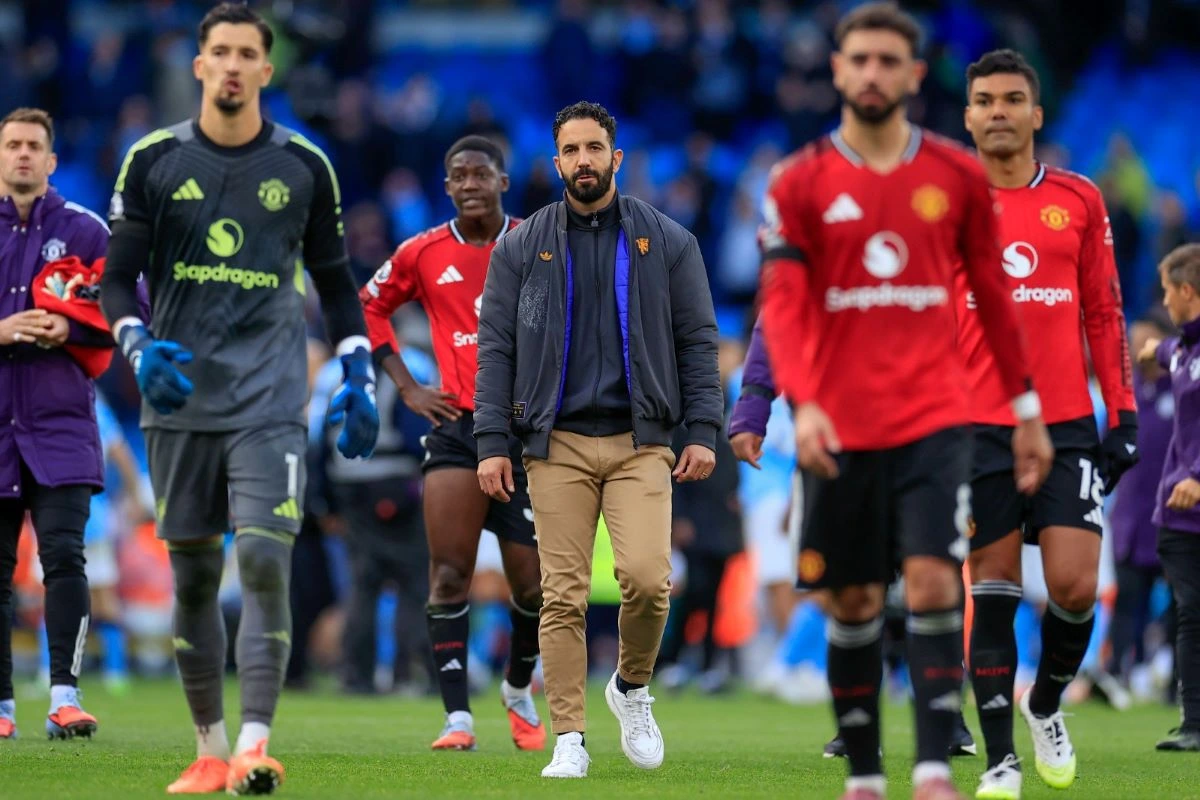
Manchester United’s early-season struggles have done little to ease the pressure on Ruben Amorim, with the team failing to hit top form in their opening fixtures.
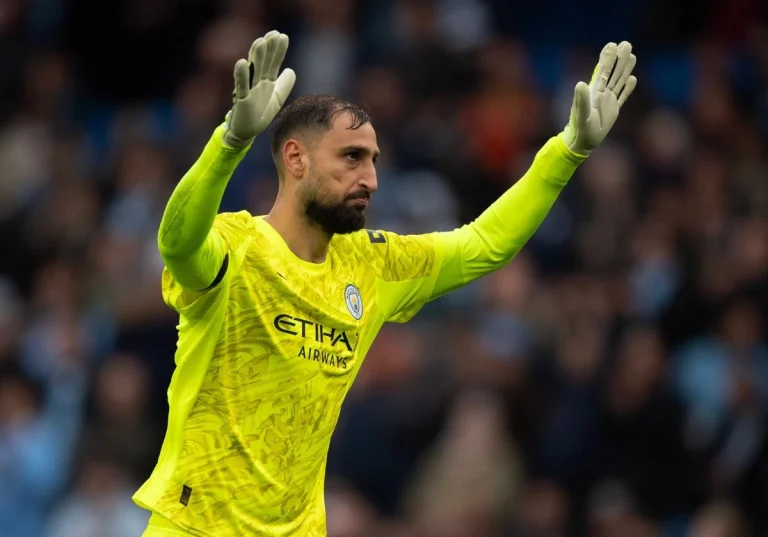
City’s 3–0 derby win over United last weekend highlighted the gulf between the two Manchester clubs, not just in results but in tactical fluidity and game management.
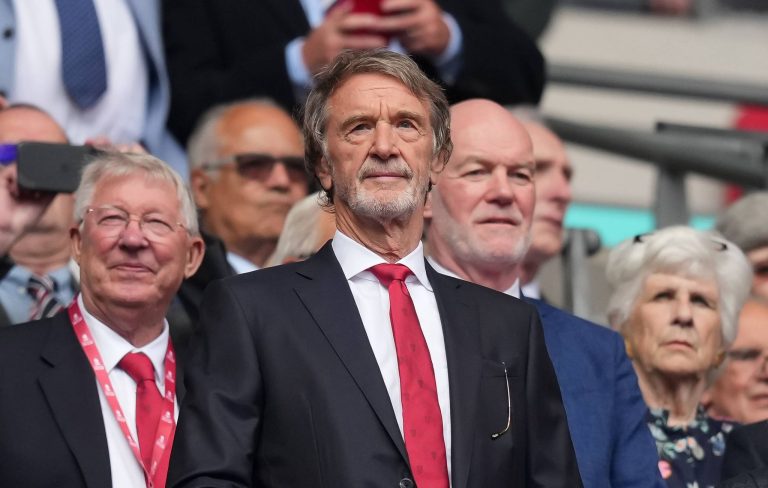
Despite United’s poor start, their hierarchy have no plans in letting Amorim leave just yet.
Fans have been quick to point out that United often start matches with energy but fade in the closing stages, leaving them chasing games in familiar fashion.
While some Premier League teams make multiple adjustments to change momentum, United’s approach has remained strikingly predictable.
Analysts have repeatedly noted that this lack of flexibility makes it easier for opponents to anticipate their moves, particularly in high-stakes encounters.
That predictability is no coincidence.
According to Opta data, as conveyed by The Athletic, Manchester United have made just seven in-game formation changes across 42 Premier League matches since the start of last season, a figure that also includes the closing weeks of the Erik ten Hag era.
CLICK HERE TO JOIN THE CENTREDEVILS WHATSAPP GROUP CHAT NOW!
This total is by far the lowest among the 17 teams who have been in the top flight over that entire period, and it includes only two separate changes while chasing equalising goals—one against Bournemouth, which succeeded, and one against West Ham, which failed.
The statistic becomes even more striking when considering how often United have been behind in the latter stages of matches, yet rarely tweak their shape to respond.
Fans have been vocal on social media, pointing out that Ruben Amorim seems reluctant to deviate from his preferred system, even when circumstances clearly demand it.
Critics argue that the team’s inability to make timely tactical adjustments has contributed to dropped points and mounting frustration in the stands.
Even when players perform well individually, the lack of in-game adaptability can stifle momentum and allow opponents to dictate the flow of matches.
For supporters, this raises questions not only about Amorim’s approach but also about the wider planning at Old Trafford.
With the team already showing early signs of inconsistency this season, the reluctance to adjust formations mid-game may prove costly if left unchecked.
As United look to climb the Premier League table, the pressure is mounting for both the manager and players to demonstrate flexibility and responsiveness, particularly in matches where every point counts.