The start of the European season can make or break a manager’s tenure, especially in leagues where expectations are high and patience is thin.
Clubs are increasingly intolerant of poor results or internal conflict, and early-season performances often set the tone for the months ahead.
Managers who fail to integrate into the squad, maintain discipline, or communicate effectively are quickly exposed.
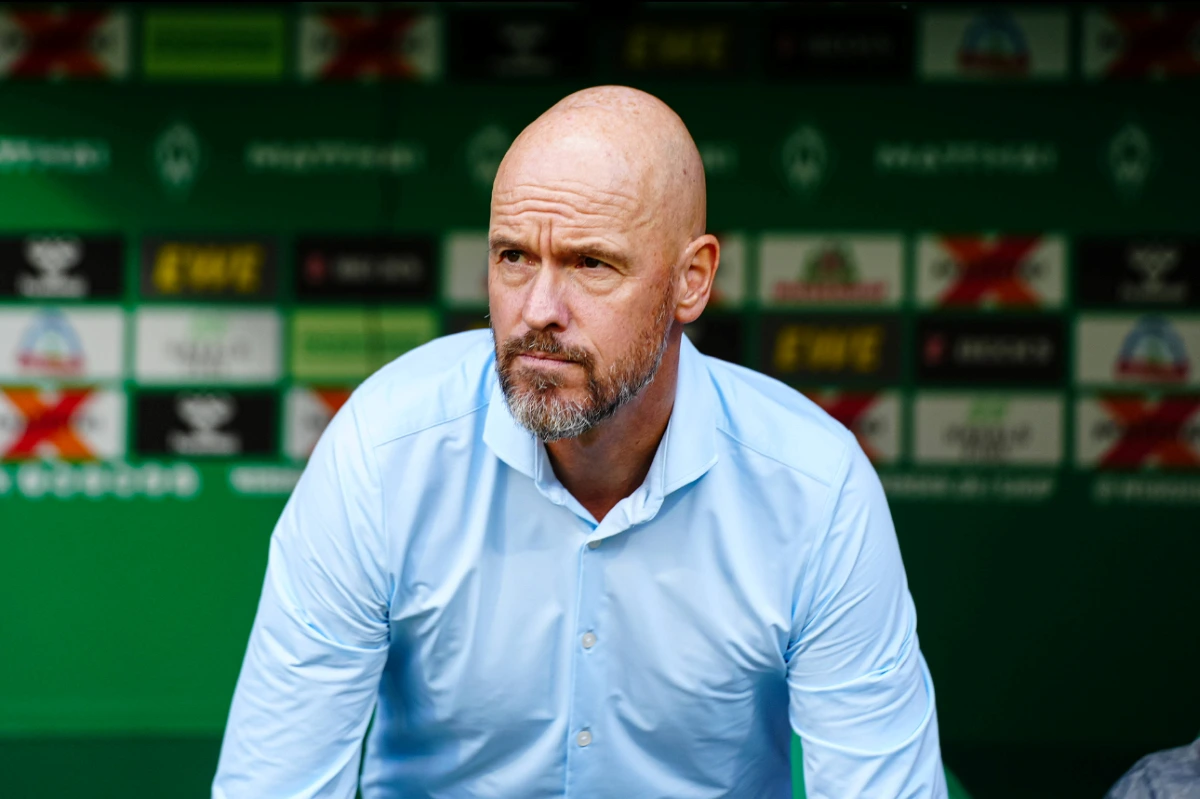
Former Manchester United boss Erik ten Hag found himself in exactly this situation at Bayer Leverkusen, where his brief stint unravelled dramatically.
Just three months after his appointment, ten Hag’s future at the Werkself came to an abrupt end.
On August 26, Bayer Leverkusen announced the signing of Lucas Vázquez, a free agent from Real Madrid and a five-time Champions League winner, as the club’s new on-field leader.
Erik ten Hag had no involvement in the deal, meeting the player only after the contract was already signed, a move that left him sidelined from key squad planning decisions.
Sporting director Simon Rolfes had clearly outlined responsibilities in video calls, but ten Hag was effectively removed from the inner circle of the club’s operations.
According to Sport BILD, a host of issues contributed to the decision to terminate his contract.
CLICK HERE TO JOIN THE CENTREDEVILS WHATSAPP GROUP CHAT NOW!
Erik ten Hag failed to get along with anyone at the club, including his own staff whom he had brought from Germany.
He frequently interfered with squad planning, insisting on players from his own agency rather than integrating with the club’s broader strategy.
Training sessions reportedly caused confusion, with players unsure why exercises such as push-ups were treated as equally important as ball work.
The problems extended beyond training.
The atmosphere within the club was extremely cold, and players often had no clarity on their roles during matches, leaving them uncertain and disjointed on the pitch.
Sport BILD reports the club wanted to sack him much earlier but hesitated, only moving after it became evident that progress could not be made.
Leverkusen’s leadership concluded that ten Hag had alienated all departments, from players to support staff, and was unable to unite the team.
On the pitch, the chaos translated into poor performances, and in the locker room, ten Hag struggled to assert authority.
The cumulative effect of these failures has led to the consensus that he is now considered the worst coach in Bayer Leverkusen’s history, a dramatic fall from grace for the Dutchman following his previous successes in European football.